
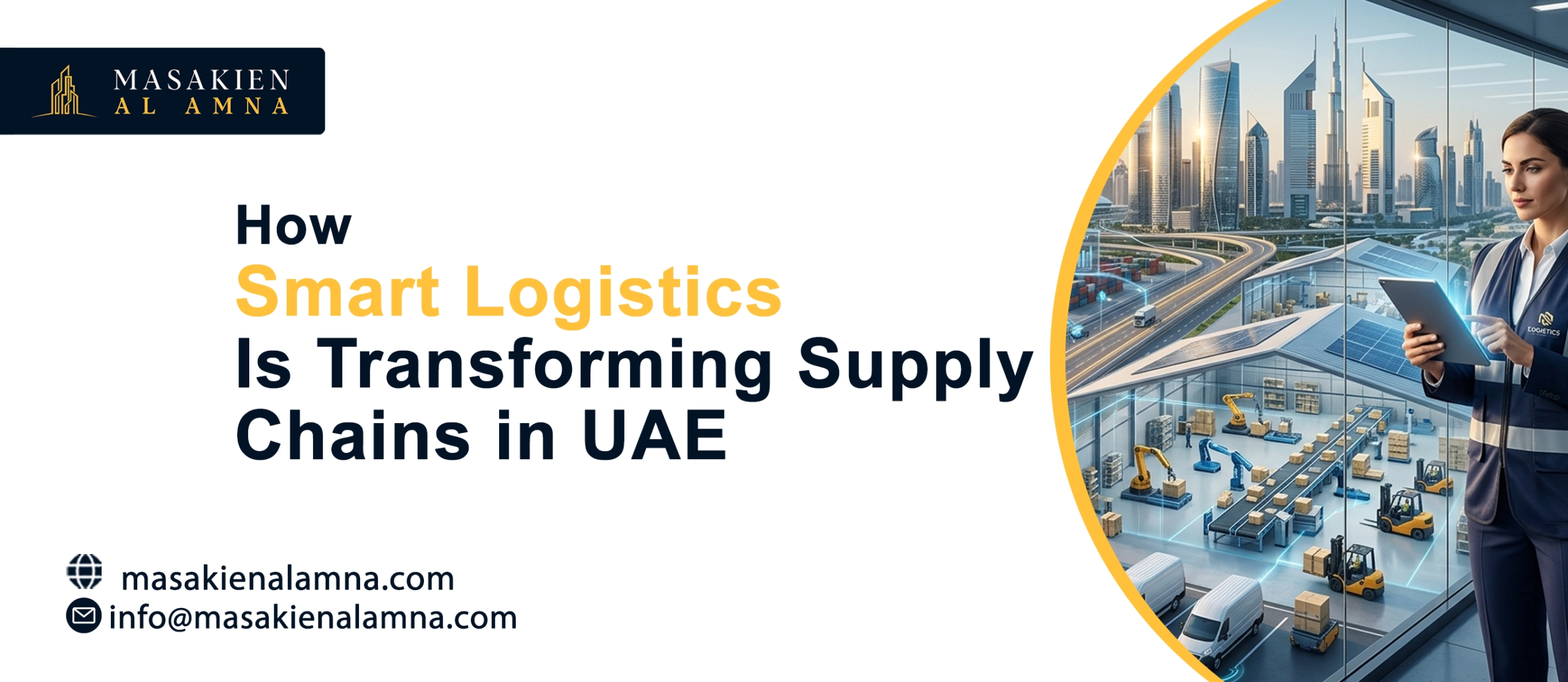
The UAE has been setting itself up as a kind of global trade and logistics hub, linking companies across Asia, Europe, Africa, and the Middle East. With e-commerce growing at a fast pace, plus more international trade and industrial development, the old-style supply chain methods just don’t cut it anymore, not really. Businesses are leaning more toward smart logistics solutions, powered by advanced tech, to boost efficiency and shrink expenses, while also upgrading the whole customer experience.
Smart logistics is basically where you mix in a set of technologies—like artificial intelligence (AI), the Internet of Things (IoT), automation, robotics, blockchain, and data analytics—so the supply chain can move more quickly, stay more transparent, and work with higher accuracy. In the UAE, these innovations are changing how products are kept, shipped, monitored, and finally handed over. That means businesses can stay competitive as the global market keeps shifting, day by day, really.
Understanding Smart Logistics in the UAE
Smart logistics can be described as the joining of digital tools into logistics work to optimize the flow of goods and information. Instead of traditional logistics systems that lean heavily on manual work and routine steps, smart logistics uses real-time data plus automation to make the supply chain more “aware” and more responsive, more or less.
Here in the UAE, smart logistics is turning into a major priority for companies in lots of sectors, such as retail, manufacturing, healthcare, construction, and e-commerce. Firms are putting money into digital supply chain systems, aiming for better operational visibility, tighter inventory control, and delivery services that feel faster for customers.
The Role of Artificial Intelligence in UAE Logistics
Artificial intelligence (AI) is kind of becoming crucial for better decision-making across supply chains, in the UAE especially. AI-driven systems scan large quantities of data, then try to anticipate demand, fine-tune delivery routes, and warn about possible disruptions before they start messing with day-to-day operations.
For UAE logistics firms, AI can reduce transportation delays by picking the most sensible routes, depending on traffic conditions, shifts in weather, and even delivery priority rules. Ultimately, companies may cut fuel costs, move faster with drop-offs, and keep customer satisfaction a lot more steady.
AI is also reshaping warehouse routines, not just in the abstract. Automated sorting is taking place, inventory management is becoming more accurate, and predictive maintenance is lowering the odds of surprise downtime. When teams can detect subtle patterns and foresee upcoming needs, they tend to avoid stockouts and generally lift overall supply chain performance.
IoT-Enabled Real-Time Tracking and Visibility
The Internet of Things (IoT) has mostly changed supply chain monitoring by connecting vehicles, warehouses, and products with smart sensors. These devices collect real-time information, so organizations can follow shipments across the whole logistics journey, with fewer of those annoying blind spots.
In the UAE, IoT-based tracking systems are kind of helping companies keep an eye on temperature-sensitive goods, like pharmaceuticals and food products. Sensors can measure conditions such as temperature, humidity, and location, which ensures the products stay within the right quality range while they are being transported. It’s not just about “seeing”, though; it’s also about maintaining those exact conditions the whole way, which matters a lot more than people think.
And yeah, the real-time visibility part matters too, because it builds customer trust. Businesses can share more accurate delivery updates, track shipment progress, and respond faster when something unexpected happens, like a delay or reroute. This kind of transparency is starting to feel almost necessary in the current competitive logistics environment, where customers expect things to be on time and also make sense. Check out our latest blog post on Why Global Entrepreneurs Are Choosing UAE Over Other Markets.
Automation and Robotics Transforming Warehouses
Warehouse automation is one of those big developments that are pushing smart logistics forward in the UAE. A lot of traditional warehouses still rely on manual labor for things like inventory management, picking, and packaging. Smart warehouses instead use robotics and automated systems to do these tasks more quickly and with fewer mistakes.
Automated storage and retrieval systems, robotic picking solutions, and smart conveyor setups are supporting businesses to raise productivity while also cutting operational errors. With these tools, warehouses can handle larger volumes of goods without having to scale the workforce at the same rate.
Also, since e-commerce is growing fast in the UAE, automated warehouses are getting more and more important. Companies need rapid order fulfillment and tighter inventory control just to match customer expectations for those quick deliveries.
Blockchain Improving Supply Chain Transparency
Blockchain technology is assisting UAE businesses in creating supply chains that are more secure and easier to verify. Basically, it offers a decentralized digital record where transaction details and shipment information can be stored securely and later accessed by authorized parties.
In logistics, blockchain can help reduce fraud, make documentation more accurate, and build stronger trust between suppliers, manufacturers, logistics providers, and customers. Every transaction that gets written on the blockchain forms a traceable history of goods, kind of from where they start, all the way to the final handover.
In sectors like pharmaceuticals, food, and luxury goods, blockchain also supports product verification and compliance tracking. So businesses can keep quality standards intact while lowering the exposure to counterfeit products and that whole headache that comes with it.
Smart Transportation and Fleet Management
Transportation is a major piece of supply chain work, and smart logistics tools are changing how items move around the UAE. Many modern fleet management systems use GPS tracking, AI analytics, and automated reporting to squeeze out better vehicle performance with less delay.
With these setups, companies can watch fuel consumption, driver habits, maintenance calendars, and delivery routes. When fleet efficiency gets better, transportation costs often go down, and the environmental footprint also tends to shrink a bit, not perfectly but usually enough to matter.
The UAE is investing in smart transportation infrastructure too, things like intelligent traffic controls and digital mobility solutions. This also helps logistics networks expand and function more smoothly across the country.
Sustainability benefits of smart logistics
Sustainability has become a major focus for UAE businesses, and smart logistics is kind of helping companies reduce their environmental impact. With digital technologies, they can manage resources in a more precise way, use less fuel, and plan transport more efficiently. Not just that, it also makes decision-making feel more grounded in real-time data.
AI-based route optimization reduces those extra kilometers, while smart fleet systems improve vehicle efficiency. Automated warehouses can also cut energy use through intelligent lighting and climate control systems that adjust without much fuss.
So as companies push toward environmental targets and ESG compliance, smart logistics basically delivers practical steps for building supply chains that are greener and more sustainable. Still, the progress depends on how well the systems are connected end to end.
Challenges in adopting smart logistics in the UAE
Even with all these advantages, some businesses may hit obstacles when they try to implement smart logistics. The upfront cost for advanced tech, infrastructure upgrades, and employee training can be pretty heavy and long-lasting. It is not always “plug and play”; sometimes it requires a redesign of how things run.
They also need skilled professionals who understand digital supply chain management, data analytics, and automation technologies. Without that know-how, companies can have trouble getting the full value from smart logistics solutions, even if the tools are already purchased.
Cybersecurity is another big deal. As logistics platforms get more connected, organizations need to protect sensitive business and customer data. That means strong security measures, because cyber threats do not wait, and weak controls can become a real problem fast.
The future of smart logistics in the UAE
The future of logistics in the UAE will be more digital, more automated, and very data-driven. Emerging technologies like autonomous vehicles, drone deliveries, advanced robotics, and AI-powered supply chain platforms will keep reshaping how logistics operations work.
Businesses that lean into smart logistics will, sort of, pick up a competitive edge by boosting efficiency, lowering costs, and giving customers a smoother experience. And as the UAE keeps moving toward becoming a global logistics leader, technology will stay right in the middle of supply chain change the whole time.
Conclusion
Smart logistics is reshaping supply chains in the UAE, and it does it by making everything faster, more intelligent, and generally more productive. With tools like AI, IoT, automation, and blockchain, along with advanced analytics, companies can build better visibility, fine-tune their day-to-day operations, and react more accurately when market needs shift.
Also, as industries keep evolving, adopting smart logistics solutions won’t be something optional anymore. It’s turning into a necessity for organizations that want to stay competitive. Contact us as Businesses that invest in digital supply chain transformation now will likely be more prepared for sustained growth and long-run success in the UAE’s lively business environment.