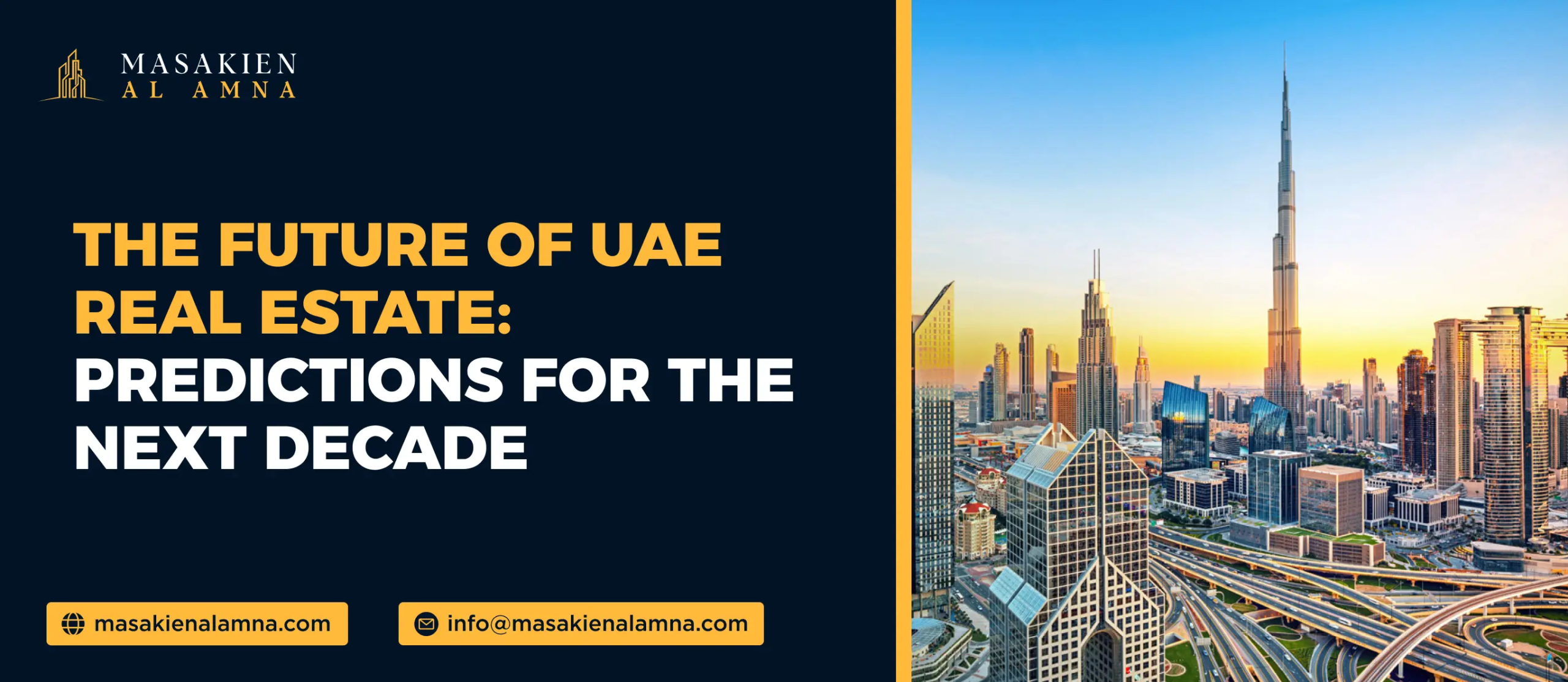
The UAE real estate market has changed in a very noticeable way over the last twenty years or so. First, it was the whole iconic skyline, luxury waterfront neighborhoods, and a kind of high-gloss lifestyle. Then, slowly but surely, it shifted toward smart cities and sustainable projects, you know, the idea of building with less waste and more future thinking. Today, the country is considered one of the most appealing places for property investment worldwide. Places like Dubai and Abu Dhabi keep pulling in investors, companies, and expats from everywhere, all the time.
Now, since the UAE is pushing deeper into economic diversification, technology innovation, and sustainability targets, the real estate sector should look different within the next decade. There will be new directions, more government programs, and buyers who want different things. If people understand what might come next, investors, developers, and even homebuyers can get ready for upcoming chances instead of reacting late.
Smart Cities Will Redefine Urban Living
The UAE government has put serious money into smart city initiatives, and the same momentum is expected to carry forward across the next ten years. Future residential and commercial projects will mix advanced tech not just for “wow” but to raise everyday convenience, security, and operational efficiency. Smart homes with AI-powered systems, automated energy controls, and intelligent security options will feel normal, not like some premium gimmick.
Day-to-day living could become smoother too, with digital services that click together more easily. Think smart parking, traffic coordination, and connected public utilities, all working in the background, without making residents think too much about it. Also, neighborhoods will be planned to support lifestyle quality through technology-driven services. As cities keep growing, the smart city infrastructure should help stretch resources better while still making daily life more comfortable.
Sustainable and Green Developments Will Dominate
In the UAE, sustainability is turning into a kind of a big priority in the long-term vision, and honestly, it seems like every plan will circle back to it. The next real estate projects are expected to lean hard into energy efficiency, water conservation, and environmentally friendly building methods. Developers are likely to choose sustainable building materials and green technologies, not just because it looks good but also to satisfy rules and buyer expectations that keep growing.
Green-certified buildings will probably command stronger market value too, since investors and tenants are paying more attention to environmentally responsible properties. Things like solar energy systems, smart energy management tools, and eco-friendly neighborhood layouts are expected to show up more often. And yes, sustainability won’t only help the planet; it will also lower the operating expenses for property owners, which is a pretty direct win.
Increased Demand for Affordable Housing
Even if luxury real estate will stay important, affordable housing is set to expand a lot in the coming years. As more professionals, entrepreneurs, and skilled workers move to the UAE, people will keep looking for homes that are reasonably priced without feeling like compromises all the time.
Developers may roll out more mid-income housing projects that try to keep things affordable while still offering modern amenities. At the same time, government initiatives that aim to attract long-term residents and foreign professionals will add extra support to this demand. Overall, affordable housing can help form more diverse and more resilient communities across the country.
Technology Will Transform Property Transactions
The future of UAE real estate is going to be shaped mostly by digital transformation. Buying, selling, and even renting are getting more digital day by day, so transactions feel quicker, and maybe more transparent as well. Tools like blockchain, artificial intelligence, and visual-related platforms are being discussed more and more, and they should make the process smoother.
Blockchain-based property records can make things more secure and cut down on fraud risks a lot. Then there’s virtual property tours; they let buyers look at places from afar, without all the usual hassle. And AI-powered platforms will help investors find promising openings quicker than before. Altogether, these changes should improve the customer experience and help streamline day-to-day real estate operations.
Foreign Investment Will Keep Growing
The UAE has already put in place several investor-friendly policies that have basically made its case stronger as a global real estate hub. Long-term residency programs, regulations that are friendly to business, and ongoing economic stability keep pulling in international investors. This momentum is expected to speed up over the next ten years.
Investors from Europe, Asia, the Middle East, and other regions will probably keep looking at UAE property as a steady and profitable option. As more foreign participation shows up, demand should rise across residential, commercial, and mixed-use developments. Plus, the country’s strategic position and solid infrastructure will add extra weight to that appeal. Check out our latest blog post on Dubai Property Market 2026: Boom, Correction, or a new growth cycle ?
Rise of Mixed-Use Communities
In the future, UAE developments will lean harder into mixed-use communities, where residential units, commercial space, retail, healthcare, and recreation are all in one area. These integrated zones bring convenience and also reduce the need for long daily commutes, which honestly matters.
People tend to prefer living in neighborhoods where they can work, buy things, move their bodies, and reach necessary services nearby. Developers are reacting by building self-sufficient communities that support work-life balance. And yeah, this direction is likely to reshape urban planning, plus attract both residents and investors.
Growth of PropTech Solutions
Property technology, usually called PropTech, will play a big part in how the UAE real estate market is shaped. Digital platforms are already making things easier for property management, leasing, and investing, and honestly, their effect will keep growing—slow at first, maybe, then suddenly.
Smart management systems, digital payment tools, and AI-powered analytics will help improve day-to-day operations. Investors will get access to more useful market signals, while tenants and buyers will feel the convenience faster. In general, PropTech ideas will push the real estate sector toward being more visible and more driven by data, not just vibes.
Expansion beyond the usual property hotspots
Dubai and Abu Dhabi will still be the main hubs, sure, but other emirates are expected to see more building and investment momentum. Better infrastructure, stronger transportation routes, and broad economic diversification attempts will open doors in different places around the UAE.
Some of the newer locations might look especially appealing because entry costs can be lower, and demand is rising. As companies move into these regions, both residential and commercial projects tend to follow. That kind of geographic spread will add fuel to the wider growth story of the UAE real estate market in a more spread-out way.
Flexible work trends will influence commercial real estate
More people are working remotely or in hybrid setups, and that is changing global expectations for office space, the UAE included. Commercial developers will likely shift attention toward flexible work layouts, coworking options, and office designs that can adapt without a whole renovation every year.
Businesses are actively seeking cost-effective options that can actually keep up with shifting workforce demands, you know, as the situation changes. At the same time, modern office developments will lean more into areas meant for shared work, plus a stronger technology backbone, and then of course, employee wellness kind of features. In a way, these shifts will sort of rewrite the way commercial buildings are planned, used, and operated later on in the future.
Luxury Real Estate Will Remain Strong
The UAE keeps amenities and is a top destination for luxury real estate, and this portion of the market is expected to stay very attractive over the coming decade. People with high wealth still want premium dwellings that feel exclusive, along with top-tier amenities and a lifestyle that looks and feels exceptional.
Luxury waterfront villas, branded residences, and ultra-premium apartments are likely to keep pulling in international buyers. The UAE’s tax advantages, relative safety, and high overall quality of living make it an easy sell for affluent investors. Even if other parts of the market shift around, demand for luxury properties should stay fairly resilient.
Government Policies Will Continue Driving Market Growth
Government assistance has been a major reason the UAE real estate sector has done so well. Looking ahead, future policies meant to draw capital, support innovation, and push sustainable development will probably add extra momentum.
Programs like residency offers, big infrastructure initiatives, and economic diversification plans will open up growth that lasts longer than just a short cycle. On top of that, regulatory upgrades should improve market clarity and investor assurance. Strong state backing will remain one of the sector’s most noticeable benefits over the next decade, for sure.
Conclusion
The future of UAE real estate seems pretty bright, largely pushed by technology, sustainability, more foreign capital, and the way buyers’ tastes are shifting. You can already see “smart city” ideas, plus affordable housing, PropTech upgrades, and mixed-use neighborhoods that are going to change how people live, work, and invest everywhere across the country. Contact us. Meanwhile, high-end projects and policies that are made to be investor-friendly are still pulling major international interest.
For investors, builders, and homebuyers, getting a handle on these newer patterns matters because the ones that adjust early to market changes may end up winning big over the next ten years.