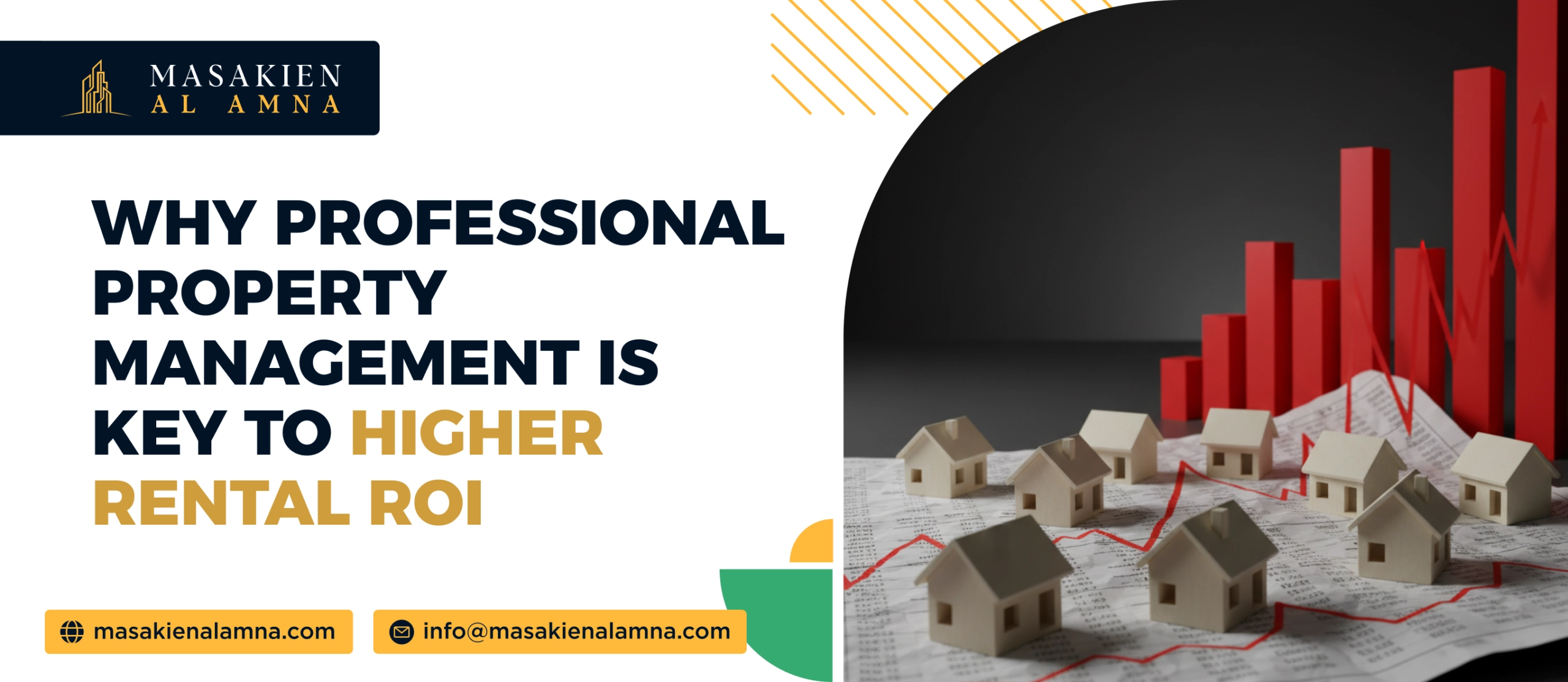
In today’s competitive real estate market, many property owners aren’t just chasing rental income; they also want that bigger picture return on investment, or ROI. Running a rental home the right way takes more than a quick plan; it needs careful planning, real market awareness, tenant oversight, and yes, regular upkeep. If you don’t have professional help, a lot of owners end up dealing with day-to-day operational problems that slowly take away from profits, sometimes without even noticing. That’s one reason professional rental management services have become such a big deal in modern real estate.
A good rental management firm can support owners by boosting overall efficiency, lowering financial risk, and keeping rental revenue steadier. They often cover tenant screening, maintenance coordination, and legal compliance, sometimes all at once, in a way that feels surprisingly organized. Their know-how helps investors sidestep typical property-management errors that can turn into real financial losses. And when occupancy rates rise while operational expenses stay under control, the result is usually a stronger ROI and more consistent returns for the owner.
Understanding ROI in Rental Properties
ROI, which stands for Return on Investment, is one of the main measures in rental real estate. It basically shows how much profit a property makes relative to the money put into buying it, plus the money spent to keep it running. Rental income, maintenance costs, tenant retention, and even property appreciation all impact ROI in a meaningful way.
Professional rental management teams know how to improve those pieces with less wasted effort. They apply market analysis, budgeting logic, and practical operations to raise rental revenue while cutting out needless spending. Their focus is to make sure the property stays profitable and competitive in the market, even when conditions shift a little or tenants’ expectations change over time.
Better Tenant Screening reduces financial risks
One of the biggest challenges for property owners is dealing with unreliable tenants, who fail to pay rent on time or damage the property. Poor tenant selection can lead to financial losses, legal conflicts, and expensive repairs. Rental managers often do careful background checks before they approve anyone for a unit. In practice, this process helps lower exposure, and it helps pick occupants who actually behave responsibly.
Tenant screening usually includes employment confirmation, credit history reviews, landlord references, and background investigations. These checks help spot people who are financially solid and more likely to treat the property well. Over time, fewer tenant-related troubles mean better profitability and a stronger ROI in the long run.
Reduced vacancy periods increase rental income
When a property is empty, it can really shrink rental income, because every day without a tenant is money that disappears for the owner. Professional rental management firms focus on reducing the time a unit stays vacant through sharper marketing and quicker placement tactics. They also know how to make a listing look attractive, and they can aim at the right audience without wasting effort. Because of that, they often fill units faster than a do-it-yourself approach.
They may use online listing tools, property websites, social platforms, and even proper photography to get attention quickly. They also set the price in a way that matches current demand, so serious renters notice it sooner.
Professional Pricing Strategies boost Profitability
Getting the rental price right is extremely important for squeezing out better profit. Many owners either set the price too high, which can stretch the vacancy period, or set it too low, which means you’re giving up income. Professional rental managers run detailed market research to identify competitive yet profitable rental rates. Their pricing methods help balance occupancy levels with income generation in a way that actually works.
Rental managers look at local market movement, nearby listing prices, specific property features, and what the local tenant demand looks like before they choose rental rates. When pricing is accurate, it draws better tenants while still letting the owner earn the maximum possible rental income.
Efficient Maintenance Protects Property Value
Setting the correct rental price is extremely important for maximizing profits. A lot of property owners do it either wrong, like they overprice the property so much that it creates longer vacancy periods, or they underprice it and then, instead of earning what they should, they lose possible income. Rental managers, the professional ones, do a lot of detailed market research to figure out the competitive rental rates that are also profitable. Their whole pricing approach helps sort of balance occupancy rates and income generation in a way that actually makes sense.
Rental managers look at local market movements, prices of nearby properties, specific property features, and how strong the tenant demand really is before they set anything. They also keep an eye on market fluctuations, and they will suggest price changes when the situation shifts. When the pricing is right, it draws better tenants, and the owner can earn the highest possible rental income. In short, accurate rental pricing supports stronger profitability and better long-term ROI.
Efficient Maintenance Protects Property Value
Regular maintenance is essential because it helps preserve property value and also prevents expensive repairs later on. Professional rental management companies build clear maintenance schedules so the property stays in great shape all year. Preventive maintenance basically spots small issues before they grow into major, costly problems. That protects the building and keeps the owner’s investment secure.
Rental managers coordinate with reliable contractors and service providers so repairs get done quickly and with proper quality. When maintenance is timely, tenant satisfaction goes up, too, because people usually prefer living in well-managed, well-maintained homes. A clean property with consistent care tends to attract better tenants and can support stronger rental pricing. Keeping property quality steady is one of the most direct factors in improving ROI over time.
Strong Tenant Relationships Improve Retention
Tenant turnover can become expensive; it brings repair costs, cleaning costs, marketing fees, and rental income loss during those vacant periods. Professional rental managers usually end up focusing on keeping strong, pretty professional relationships with tenants, which helps retention stay high. Good communication and quick problem resolution make tenants want to hang around longer in the property. Long-term tenants create a more stable rental income stream for owners, and honestly, that part matters a lot.
Professional managers respond fast to maintenance requests, and they make sure tenants feel respected and supported throughout the whole lease period. When people are satisfied, they are more likely to renew rather than move to another place. With less turnover, operational costs drop, and vacancy risks also get smaller for property owners.
Legal Compliance Prevents Costly Problems
Lease agreements, eviction procedures, tenant rights, and safety regulations—they all need to line up with legal requirements. If someone misses steps, it can turn into financial penalties, lawsuits, or operational interruptions. Professional rental management companies help owners steer clear of those expensive legal slip-ups, and yeah, that’s a big deal.
Legal compliance matters because it protects the owner from avoidable risks and those annoying financial losses. In the end, this kind of legal management supports long-term steadiness and ROI for property investors, which is not a small thing.
Financial reporting helps with better decisions.
Solid financial reporting is basically the backbone for understanding how the property is doing and for making decisions that are actually informed. A professional rental management company usually delivers detailed statements that follow rental income, maintenance expenses, occupancy levels, and day-to-day operational costs. With these reports, owners get a straightforward view of how well their investment performs. When tracking is accurate, it becomes easier to spot trouble spots or chances for improvement, and that’s where profitability can rise.
Professional managers tend to use structured accounting systems, so all financial records stay transparent and not some confusing mess. With better financial visibility, business choices become smarter, and long-term growth feels steadier too. Effective reporting usually translates into higher ROI and stronger financial stability.
Marketing Expertise Brings In Good Tenants
Marketing counts a lot when you’re trying to attract dependable tenants and also reduce vacancy time. Professional rental management companies use newer marketing approaches to increase visibility and reach the right kind of people. They understand how to showcase the key property qualities, not just the obvious things, but the details that make someone say, “Okay, this fits me.” When marketing is done well, it helps the property stand out, attracts more qualified applicants, and keeps the schedule from dragging through empty weeks.
They also use digital advertising platforms along with social media channels to boost exposure and usually do it more consistently. Better marketing brings in more serious tenants who are more apt to pay rent on time, and keep the property in good order. When tenants are solid, the owner gets steadier income and a better return on investment for the long run.
Time Savings for Property Owners
If property owners try to manage rentals on their own, it takes a lot more time and effort than people expect. Owners often have to manage tenant communication, maintenance requests, rent collection, periodic inspections, and legal issues regularly. That stuff can get overwhelming and kind of draining, particularly when an owner has multiple properties. Professional rental management firms reduce that strain by running day-to-day operations in a streamlined way, and honestly, more efficiently.
With that support, owners can put attention elsewhere on other investments, new business opportunities, or personal plans while specialists run the property. This tends to improve overall operations, and it lowers the pressure that comes with property management. The time savings also make it easier for investors to grow their property portfolio without falling behind. When management is organized, owners can do more while still improving long-term financial results.
Improved Property Reputation and Long-Term Value
A professionally managed property usually gains a stronger standing in the rental market. Clean surroundings, fast response for repairs, professional communication, and organized management all add up to a better tenant experience. Properties that maintain a good reputation attract better tenants and often stay closer to full occupancy, year after year.
Professional management also helps keep the physical condition of the property stable and protects its market value over time. With routine maintenance and proper tenant handling, the usual wear-and-tear gets reduced, and the property can still become more valuable. A property that stays well-maintained often earns a stronger resale price later on, too. These long-run benefits end up boosting the total ROI of the investment in a noticeable way.
Conclusion
Professional rental management is not just about receiving rent or responding to maintenance requests. Contact us as It is more like an all-in operational plan that aims to strengthen property results, cut down risk exposure, and improve profitability.
Things like consistent occupancy, less frequent repairs, and more disciplined money organizing stack up into stronger returns on the investment. With this kind of management, property owners tend to be better positioned to reach sustainable wins in the competitive real estate market, even when things get hectic.