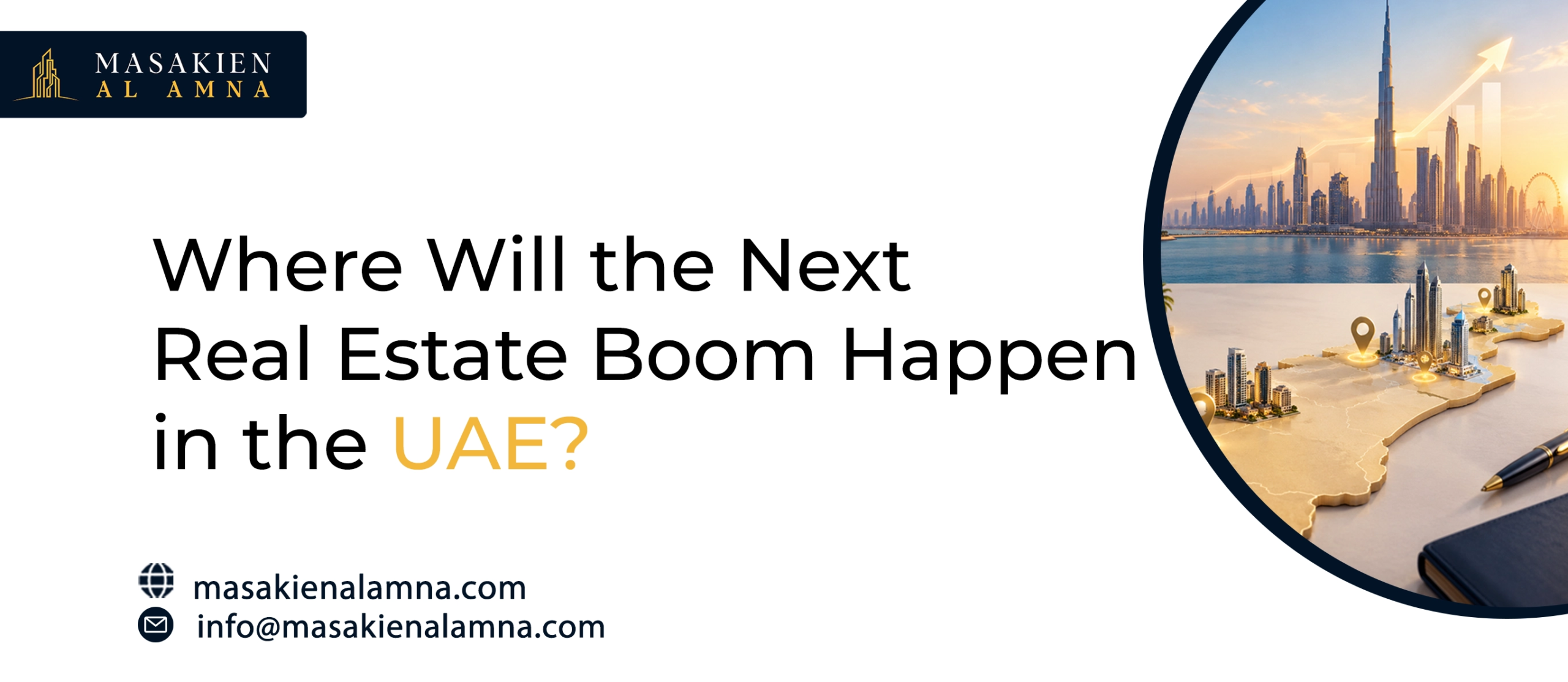
The UAE real estate market is starting a different chapter. Dubai is still a major name for buyers, yet more people are now checking other areas for what comes next. Abu Dhabi, Ras Al Khaimah, Sharjah, and a few newer communities are getting more notice. The reasons are fairly clear. New roads and projects are moving ahead. More residents are arriving. Tourism money is growing. Overseas interest is also rising.
You might ask where the next buying surge could show up. It may not be limited to one emirate, and it may not live in just one area. Recent signs point to Abu Dhabi as a strong option for steady gains. Ras Al Khaimah looks like it could benefit from tourism and early-stage momentum. Dubai still draws buyers, but the local market is no longer as fresh. That means investors may need to choose homes and locations more carefully.
UAE Real Estate Market in 2026: What Is Changing?
UAE property still pulls in both local and global capital. Still, the pace of growth is not the same everywhere. Based on H1 2026 market data, Abu Dhabi logged about AED 117 billion in real estate deals. That is a rise of 112% versus the same months in 2025. In comparison, Sharjah reached about AED 29.5 billion. Ajman recorded above AED 10.8 billion in the same period.
Meanwhile, the market is also getting more settled. Investors are looking harder at the basics. They want to see steady jobs, better infrastructure, and solid rental demand. They also watch the new supply and how much tourism activity is driving interest. The way a project is built matters more than before. This change may help areas that are not fully developed yet, not only the well-known luxury pockets.
-
Abu Dhabi: The Strongest Candidate for the Next Real Estate Boom
Abu Dhabi looks set to be a key place to watch for a new wave in real estate in 2026. In the first half of 2026, the emirate logged AED 117 billion in real estate deals. That is up 112% from the same months last year.
The sales figure was AED 86.1 billion. This came from 16,838 transactions. Foreign direct investment was also higher, at AED 13.8 billion. That figure is 309% more than in H1 2025.
These results matter for one main reason. The market is not moving just because one type of buyer is active. During H1 2026, investors from 116 nationalities took part. A year earlier, the count was 82 nationalities. Abu Dhabi also approved eight new investment zones in H1 2026. The total now stands at 50. That should widen options for buyers who are investing from abroad.
Why Abu Dhabi is seeing growth
A big advantage for Abu Dhabi is the mix of economic strength, government-led development, and rising interest from overseas. The emirate is moving past the old image of a place tied mainly to oil and government work. There is more activity now in finance, tech, tourism, culture, and entertainment, plus other areas. With more sectors working, there is a wider base for steady demand in homes and offices.
There is also support from investor trust and ongoing off-plan deals. ADREC’s H1 2026 numbers show residential unit sales at AED 70.4 billion. Off-plan projects made up 89% of the total residential sales value. In plain terms, buyers are leaning toward new projects and future communities. They are not only paying for completed properties.
Areas to watch in Abu Dhabi
A few Abu Dhabi areas are drawing big money already. They may also stay active during the next stage of growth. Al Hudayriyat Island, Saadiyat Island, Reem Island, Al Maryah Island, and Yas Island are among the places with steady deal activity. Al Hudayriyat Island reported AED 19 billion in residential sales in H1 2026. Saadiyat Island came next with AED 13.3 billion.
Each place has its own appeal. Saadiyat Island leans toward luxury life, culture, and projects along the water. Yas Island mixes homes with fun and visitor spots, like resorts and tourism facilities. Reem Island tends to support both owners and renters. Hudayriyat is also moving toward a bigger lifestyle focus. Because of that, buyers should look at each community on its own. Do not assume every Abu Dhabi property will behave the same way. Instead, check the kind of demand each area is likely to get.
Check out our latest blog post on 7 Red Flags to Watch For Before Buying Property in Dubai
-
Ras Al Khaimah: Tourism and luxury homes getting more attention
Ras Al Khaimah is starting to show up more often in talks about the UAE’s next growth market for property. Dubai and Abu Dhabi already have well-known housing systems. RAK is still building its name with outside buyers. At the same time, tourism is rising. There are new waterfront areas, hospitality plans, and larger-scale projects.
More visitors usually means more stays. With more hotels, resorts, attractions, and other entertainment, the area can see higher demand for holiday homes. It can also lift demand for serviced apartments, hotel rooms, and longer-term housing.
Al Marjan Island: A Location to Watch
Al Marjan Island is drawing more attention lately. This waterfront area in Ras Al Khaimah is growing fast, and the wider hospitality scene around it has made it a key part of the emirate’s tourism direction. Big hotels and entertainment plans have also helped put the area on more international radars.
Still, it is not only about owning a place by the sea. Buyers have to think about what is being built nearby and how it may affect demand later on. Things like transport links, hotels, shopping options, entertainment, and tourism venues can all shape how many people come and stay. If the island area becomes a well-known stop for travelers, homes there may gain from more visitor traffic. That can support demand for both short stays and longer stays.
Why RAK Could Be a Hot Property Spot Next
Ras Al Khaimah feels different from Dubai. There are more natural views, including beaches and mountains. In some parts, home prices can also be lower than in Dubai, even for higher-end areas. This mix lets developers build communities that look and feel like resorts. Some buyers prefer that lifestyle setup instead of classic city living.
At the same time, investors should treat an up-and-coming market with care. Growth may depend on whether planned projects actually get finished. Tourism numbers, new infrastructure, and how much renters want the space all matter. So before assuming strong returns, buyers should check the developer, the project dates, the exact area, the rental outlook, and what new supply might arrive later.
-
Dubai: Still Healthy, But Likely to Slow Down
Dubai should stay in any talk about where UAE property could go next. The emirate has built a well-known real estate market. It has support from foreign buyers, tourism, ongoing work, solid infrastructure, and a steady flow of new homes and offices. That global profile also helps when attracting buyers who care about quick sales and a more settled local market.
Even so, the next step for Dubai may not match the fast price surges from earlier years. CBRE said the Dubai residential market cooled in Q2 2026. Demand was softer. Fewer deals were recorded. New supply also helped ease price pressure. At the same time, the office sector stayed firm. Office rents rose about 13% year on year. Occupancy was near 94%.
Dubai Spots to Keep an Eye On
The next chance in Dubai may come from places that mix transport access, jobs nearby, day-to-day lifestyle needs, and decent rental demand. Some areas still get attention, including Dubai Creek Harbour, Dubai Hills Estate, Dubai South, Business Bay, Dubai Islands, and Jumeirah Village Circle.
Instead of picking an area only because prices went up before, focus on what could pull buyers in the years ahead. New transport options can matter. So can new office or retail projects, schools, shopping areas, tourism plans, and job centers. These drivers can change an area’s longer-term property results.
-
Sharjah: A Lower Cost Option
Sharjah may be one more place that can ride on the wider rise of real estate across the UAE. One clear edge is the price level. Homes there often cost less than in Dubai. Also, it is close to Dubai, so residents can still reach jobs and offices in the city without a long commute. Because of this, demand stays steady. Many buyers and renters look for cheaper living, but they still want to stay near Dubai.
In H1 2026, Sharjah saw about AED 29.5 billion in real estate deal value. That is up 9.3% from the same period a year earlier. The number of deals grew too. Transaction volume rose by 23.7% to reach 59,460. Residential homes made up the biggest part of the sales activity. WAM
Why more people may focus on Sharjah
Sharjah can keep drawing buyers when affordable housing stays in demand. As Dubai prices climb, some families and working professionals may choose nearby emirates for bigger space or cheaper rent. That can support areas with good links and daily convenience. These places tend to have schools, shops, places to spend time, and services close by.
Still, low cost is not the full story. Investors need to check the setting they are buying into. They should consider how easy it is to get around, who tends to rent there, and what is planned next in the area. Even if two homes look similar in price, the one near better roads and stronger connections to Dubai and other job hubs may hold up better over time.
Ajman and the Northern Emirates as cheaper options
Investors who have less money to start may find Ajman and some other Northern Emirates worth looking at. These places can feel like a cheaper option compared with Dubai and Abu Dhabi, where prices are higher.
Ajman’s real estate activity was strong in H1 2026. The market saw deals worth over AED 10.8 billion. That included AED 7.64 billion from trading transactions. It also included AED 1.88 billion from mortgage transactions. WAM
Lower entry costs can draw buyers who want affordable homes or rental options. Still, a lower sale price does not always mean a better investment. The key issue is simpler. Will the place pull in steady tenants? Can it stay occupied? And will buyers want it again when it is time to resell?
What may lift growth in smaller emirates?
Growth in smaller emirates often comes from more than one thing. It usually follows changes in roads, population shifts, new projects, and better links to big business areas. When more companies set up offices, when tourism projects grow, and when more housing areas open, certain zones can see rising demand. That demand can cover both homes and commercial space.
So investors may need to look past headline numbers. Check what is actually around a property. Units near main roads, major jobs, schools, shopping areas, and older established neighborhoods often have a wider tenant base. The goal is to find areas where affordability matches real demand, not just low asking prices.
What could shape the next UAE property boom?
The next property boom in the UAE may not come from one trend alone. It may come from several forces meeting at the same time. More people moving in, more foreign investment, tourism activity, government spending on infrastructure, and broader economic change can all affect housing demand. When these drivers align, the market can move faster.
Investors should look at the full development picture of an emirate before they buy a home. A fresh residential project can seem good by itself. Still, its value over time often hinges on what is going on nearby. Local roads, schools, office areas, hotels, entertainment spots, malls, and transit links can all shape what people want later on.
-
Population Growth
Population growth matters a lot for a stable real estate market. When more people move in, there is usually more need for apartments, villas, schools, shops, offices, and daily services. The UAE’s pull for skilled workers, business owners, and firms is linked to housing demand.
For buyers and investors, this topic matters most when growth happens near key job hubs and lifestyle areas. More residents do not guarantee strong demand everywhere. The best chances often show up where growth is backed by work options, public services, community facilities, and homes that are easy to reach.
-
Tourism Growth
Tourism can steer property markets, especially in places like Dubai and Ras Al Khaimah. When visitor numbers rise, demand can grow for hotels, holiday stays, serviced apartments, dining, retail, and leisure activities. If tourism keeps working well, it can also bring jobs and companies. That can then raise the need for housing again.
Ras Al Khaimah stands out because its real estate path is tied to its plans for tourism. With more hotels and leisure venues in progress, the emirate wants to be seen as a key stop, not only a place to live. If that shift happens, some investors may benefit by entering earlier, before the market becomes as settled as Dubai.
-
Infrastructure Investment
Infrastructure matters a lot for property value. When new roads, rail links, airports, bridges, or public services arrive, areas that felt out of reach can become easier to reach. That change can make it more appealing for both residents and companies. Shorter commutes also shape daily choices, so where people want to live may move.
Because of that, property buyers and investors should look at infrastructure plans in the same way they look at build schedules. A future road or rail project can raise long-term upside. Still, it helps to sort out what is only promised from what is paid for, what is being built now, and what is already running. Doing this can cut the chance of overpaying for an idea that is not yet real.
-
Foreign Investment
Foreign capital is still a big part of the UAE property picture. Abu Dhabi’s numbers for H1 2026 make the point. Foreign direct investment hit AED 13.8 billion, which is a 309% jump from the prior year. In that half-year period, investors from 116 nationalities took part in the market.
Overseas buyers can lift demand across several groups, such as high-end homes, rental-focused apartments, offices and shops, and off-plan launches. Even so, international interest does not move the same way all the time. It can shift with the economy, interest rates, lending terms, and geopolitical conditions.
Final Thoughts
Tourism goals are active, and waterfront projects continue to move forward. The hospitality side is growing too, which can bring more visitors and related demand. Dubai still looks strong over the long run. At the same time, the market is more established. Because of that, buyers may need to be careful about where they place their money. Sharjah and Ajman may suit people who want lower entry prices and a chance to buy earlier in the cycle.
In the end, the best deals are likely to appear where several factors line up at once. Think of more people moving in, more jobs, new infrastructure, tourism activity, and ongoing demand for homes. Contact us as Instead of only asking which emirate could see the biggest price rise, it helps to ask a different thing. Where are locations building the base that can keep property demand steady? If investors use that lens, they can spot chances earlier. They may also avoid buying once most of the upside is already reflected in prices.