
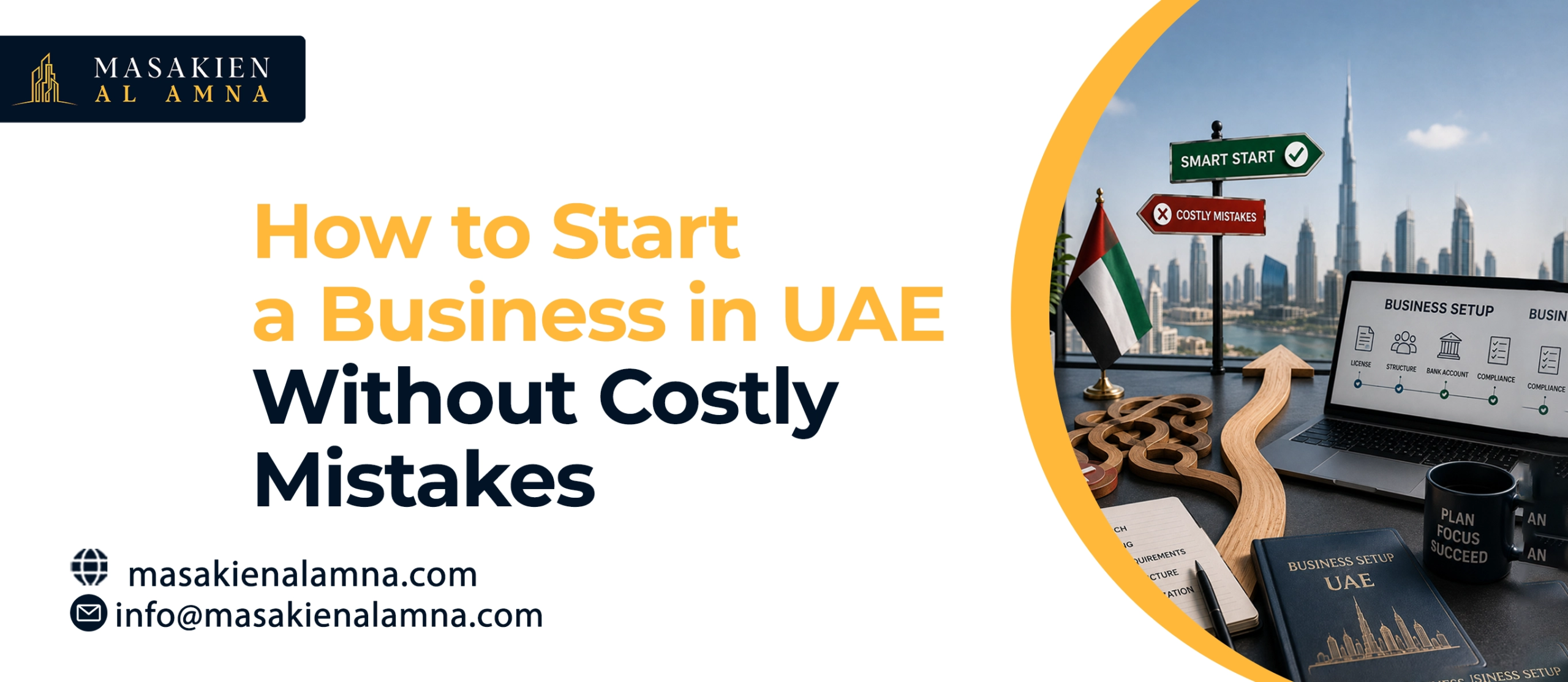
Starting a business in the UAE can feel like a really good opportunity for entrepreneurs who want to reach a larger market, international customers, and a generally business-friendly environment. Still, it’s not just about picking a company name and paying for a business license. During setup, every small choice you make can end up influencing your costs, how you run daily operations, what compliance you need to follow, and even how you scale later on.
A lot of people end up spending more than they expected because they only look at the most inexpensive business setup package. If you choose the wrong business activity, a mismatched jurisdiction, an unsuitable legal structure, or the wrong visa package, the bill can show up later, in a less pleasant way. When you plan properly and understand your own requirements clearly, you can avoid random extra expenses and build a stronger base for your UAE company.
-
Choose the Right Business Activity First, before anything else
Your business activity is basically the starting point for UAE company formation. The activity written on your license is what decides what you’re legally allowed to do, what license type you might require, and whether you’ll need extra permissions. Picking an activity only because it “sounds close” to a cheaper setup package can turn into serious hassle, especially if your real services or products aren’t actually covered.
Before you apply, sit down and define what your company will do and how it will make money. Think about whether it’s professional services, product sales, trading with international partners, an online setup, or dealing with customers inside the UAE. If you select the correct activity early, you usually won’t need to push through expensive changes, extra approvals, or sometimes, an entirely new business license later.
-
Choose the Right Mainland or Free Zone Setup
One of the biggest calls when starting a business in the UAE is picking between a mainland setup and a free zone setup. The “right” option really depends on your business model, who your customers are, what you need day-to-day, and how you imagine growth later on. Free zones can sound very attractive, with setup packages and a more specialised environment, but they do not always end up being the best fit for every single kind of activity.
Before deciding, pause and think about where your customers will be located and what your delivery plan looks like. If your business is aiming at international clients, your requirements may be different from a company that wants to operate directly inside the UAE market. Don’t simply select a jurisdiction based on the lowest price. Compare benefits, limits, office obligations, and whether the structure still makes sense long-term for your particular needs.
Check out our latest blog post on How Global Economics Are Impacting UAE Real Estate
-
Do the total cost math, not just the licence fee
A low licence fee does not automatically mean you are getting the most affordable business formation. Some entrepreneurs go for a package because the advertised registration fee looks good, and then later they realise there are extra expenses for visas, office facilities, government approvals, renewals, accounting, plus other essentials that quietly add up. Those “surprise” costs can be hard on a new company’s budget, especially at the start when cash flow is tight.
Before you commit to any option, build a realistic first-year business budget. Request a detailed breakdown, including license, registration, visa needs, workspace, approvals, compliance support, and renewal costs.
-
Plan your legal, tax, and compliance Requirements earlier
Starting a business doesn’t automatically mean you can sort out compliance later, like it’s some kind of “afterthought.” Depending on the type of your company, you might have ongoing obligations around corporate tax, VAT, bookkeeping, recordkeeping, license renewals, visas, plus approvals that are specific to your sector. If you ignore these things in the early stages, penalties can show up, deadlines get missed, and you end up with all those unnecessary admin headaches.
It helps to get clear on your responsibilities before your business starts operating. Set up a basic accounting process, keep your business records organized, and check if your company hits any registration thresholds or reporting duties that apply. Planning for compliance from day one makes managing things feel more steady, and honestly, it lowers the chances of nasty surprises later as the business grows and the workload changes.
-
Consider future growth before you set up.
What works well for you right now may not really fit your plans for the next 2 or 3 years. For instance, you could begin working solo, and later you may want to hire staff, bring in business partners, expand into another market, or launch new services. If your original setup can’t really handle those changes without stress, you might face restructuring, or you could suddenly deal with extra setup costs.
Before you lock in your company structure, think about where you want to be later, as much as what you need immediately. Look at how easily you can add visas, upgrade your office, introduce extra activities, or widen your operations. Choosing a flexible arrangement from the start can help your business grow without pushing you into costly alterations later on.
Steps to start a business in the UAE
Step 1: Pin down your idea and who you really want to reach
First, figure out what your business will actually offer and which people will pay for it. Try to understand if you’re aiming to serve customers inside the UAE only, or abroad, or both. This detail often shifts a lot of decisions once you’re in the company setup part.
Also, think about how you’ll make revenue, what your day-to-day operations will need, and where you want the company to be later. If you have a solid business plan before you register, it’s usually easier to pick the right activity, the best area, and the best business structure without getting stuck midway.
Step 2: Pick the business activity that fits correctly
Choose a business activity description that matches the products or services you plan to sell. The activity itself affects what type of license you may need and whether your business has to get extra permissions from more authorities.
Don’t just choose an activity because it looks cheaper on a package. If you later deliver services that aren’t covered by the license, you might end up paying for updates or more approvals. That can slow things down, and it gets annoying fast.
Step 3: Mainland or Free Zone—decide with your real needs
Compare mainland and free zone options based on your business needs, not just on the initial setup cost. Look at who your customers are, how your operations will run, your office requirements, visa needs, and whether you plan to scale in the near future.
Before you pay anything, research the regulations and advantages of the jurisdiction you’re leaning toward. A good choice at the start can help you avoid operational restrictions, plus those restructuring costs later, when you least want them.
Step 4: Choose the legal setup
Pick a legal structure that fits the number of owners you have, what your business actually does, and where you want to grow later on. It should also, sort of, hold up with any ideas you might have down the road about adding partners, investors, or starting additional lines of activity.
Spend some real time looking at the options inside your chosen jurisdiction. If you decide early, it can make future changes less messy and help you sidestep needless legal and administrative costs.
Step 5: Calculate Your Full Business Setup Budget
Make a budget that covers more than just the business license fee. Include registration charges, visa expenses, office or workspace costs, approvals, professional services, compliance requirements, and the annual renewal fees too.
With a full budget, you get a more realistic view of the capital you really need to run things during your first year. It also helps you compare different setup approaches and pick the one that matches your financial reality.
Step 6: Lock in Your Trade Name and Apply for Your License
After you’ve settled on your business activity and legal structure, you can choose and reserve a trade name that matches what the relevant authority requires. The name should be reasonable for your business, and also follow the local naming rules.
Once the trade name is approved, you can go ahead with the license application and send in the required documents. Just be sure everything you write is consistent with what you plan to do, so you do not get delays or end up making extra amendments later.
Step 7: Set Up Your Office, Visa, and Operational Needs
Depending on how your business setup looks, you might need a physical office, a flex workspace, or some other approved business facility. Just think about what you actually need right now and don’t end up paying for extra space or visa capacity that your business, honestly, doesn’t use.
If you are planning to get an investor visa or you want to hire employees, make sure those needs are part of your setup plan from day one. When you know the costs and requirements early, it gets easier to manage your budget without last-minute surprises.
Step 8: Get Banking, Accounting, and Compliance Processes Sorted
After you establish your business, set up your financial and operational systems as soon as you can. Keep proper records for sales, expenses, invoices, contracts, and all those other important transactions, even the small ones.
Also make sure you understand your relevant tax duties and compliance obligations. Track key deadlines, because missing them can cause unnecessary stress. A basic compliance calendar can really help you stay organized, and it reduces the risk of missed renewals, registrations, or filings.
Final Thoughts
Starting a business in the UAE does not have to turn into unnecessary spending or messy mistakes. The main thing is to avoid rushing into whatever the cheapest package seems to be. Contcat us as Instead, choose based on your real business requirements. Your business activity, target market, jurisdiction, budget, and what you want later on should all factor into your final setup decision.
When you pick the right activity, compare mainland and free zone options carefully, calculate the full cost, not just the headline numbers, plan for compliance, and consider future growth, you create a better base for your company. Taking a bit of time to plan before you register can save money, lower complications, and make expansion much easier later.
Frequently Asked Questions
- What is the first step to starting a business in the UAE?
The first step is to really set out your business idea and then pick the right business activity. You should get clear on what products or services you actually sell, who your buyers are, and where you will operate before you even choose a license or the jurisdiction.
- Is a free zone or mainland company better in the UAE?
It’s not like one is always better for every business. The right fit depends on your target market, business activity, practical operating needs, visa requirements, and even your future scaling plans, not just the headline offer.
- What costs should I consider when starting a UAE business?
Besides the license cost, consider registration fees, visa costs, office or workspace expenses, approvals, accounting, compliance requirements, and those annual renewals. costs that tend to be overlooked. You should always calculate the full first-year cost before you choose any “setup package.”
- Do I need to think about tax before starting my business?
Yes, you should understand your possible tax and compliance duties from the start. If you set up your accounting and record-keeping early on, it becomes easier to avoid headaches once the business starts running.
- What is the biggest mistake when starting a business in the UAE?
One of the biggest mistakes is choosing a company setup only because the price looks cheapest on the advertisement. The better option should match your activity, where your customers are located, your day-to-day operations, your budget, and the direction you want to grow in later.