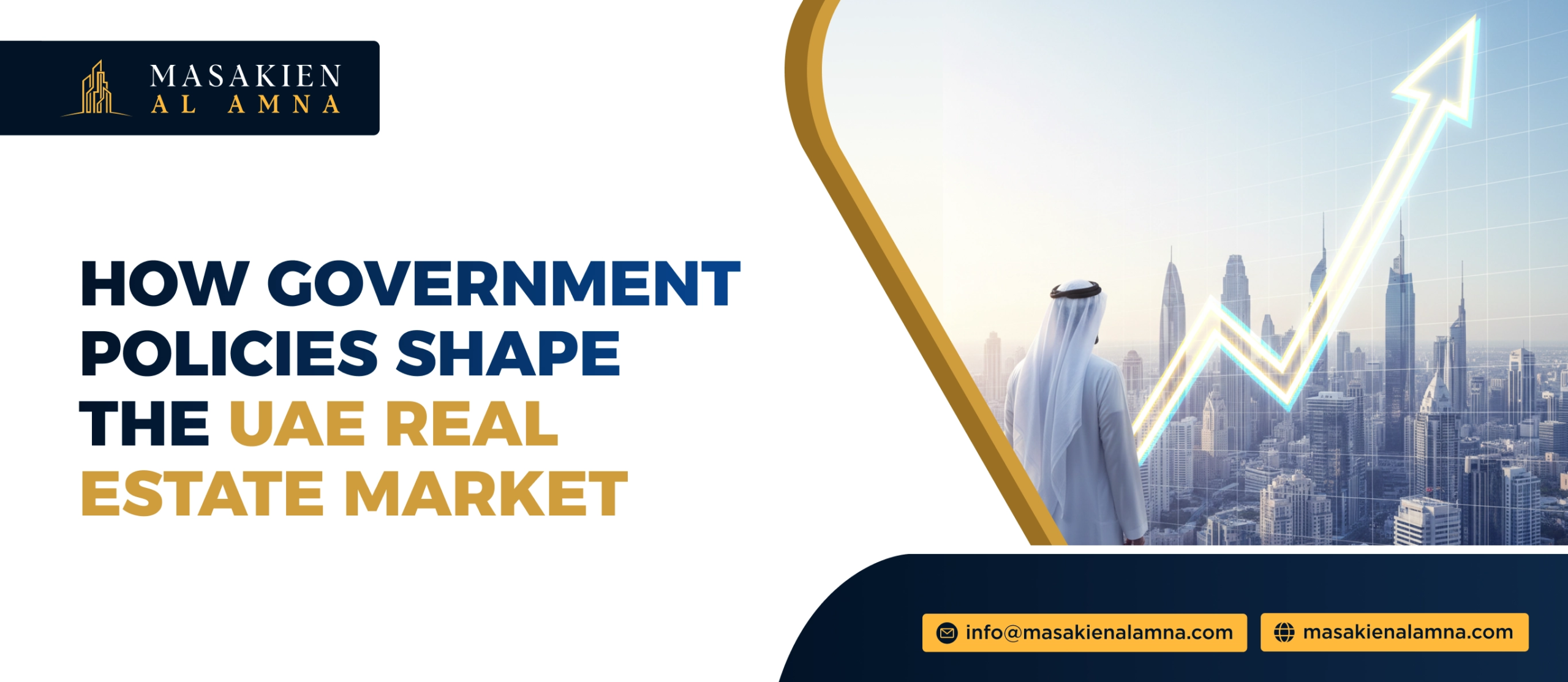
The real estate market in the UAE depends on more than just supply and demand because government regulations fundamentally shape market development and stability and investor interest. The UAE government has developed foreign ownership laws, visa reforms, and mortgage regulations to establish a property market that operates with higher transparency and better investor trust.
These policies ensure sustained economic development and investor protection while maintaining the international competitiveness of the real estate market. The UAE property market policies help buyers, investors, and developers to make informed choices.
Foreign Ownership Laws and Investor Confidence
The UAE real estate market received its most significant government regulation through the establishment of foreign ownership rights. Property ownership used to be restricted to UAE nationals and people who lived in certain designated zones. The market changed when expatriates and foreign investors received permission to acquire freehold properties in designated areas.
International investment has risen because this policy applies to multiple cities throughout the United Arab Emirates, with Dubai and Abu Dhabi experiencing the highest levels of inbound investment. Foreign investors now experience enhanced protection for their investment because the government guarantees their ownership rights. The increase in residential and commercial property demand has resulted in new building projects that offer better quality developments throughout the United Arab Emirates.
Long-Term Visa and Golden Visa Policies
The real estate sector received strong positive effects from the introduction of long-term residency visas, which include the Golden Visa program. The visas provide 5 or 10-year residency permits to investors, professionals, and entrepreneurs who work in the UAE.
The policy establishes permanent security for real estate buyers, which leads them to make extended commitments. People are more willing to buy property when they know they can live in the country for many years. The market demonstrates increased maturity and sustainability because people want to buy luxury homes, family residences, and investment properties.
Mortgage Regulations and Financing Policies
Mortgage lending regulations established by the government create essential market risk control mechanisms. The UAE Central Bank has established specific requirements about down payment amounts, loan-to-value ratios, and borrower qualification criteria. The policies exist to stop excessive borrowing, which will safeguard both banks and their customers.
The government uses credit control measures to decrease the risk of real estate market bubbles. The system encourages buyers to make responsible decisions about property investments instead of engaging in speculative activities. The financing regulations enable the UAE real estate market to maintain its stability during periods of worldwide economic downturns.
Property Registration and Transparency Laws
The UAE real estate market achieves its highest level of transparency through strict property registration and documentation requirements. The Dubai Land Department (DLD) and other authorities maintain complete legal documentation of all property transactions that they supervise.
The policy protects buyers from three types of fraudulent activities, which include fraudulent listings and ownership conflicts. The establishment of documented evidence creates trust between investors and international investors. The real estate market maintains its credibility through security measures, which make buyers confident enough to proceed with their purchases.
The United Arab Emirates government has established rental regulations that serve to protect tenant rights while maintaining landlord rights. The authorities, including rental dispute centers, enforce the rules that define rent increase procedures, eviction notification requirements, and contract renewal processes.
The rental market achieves fair pricing through these rental market policies, which protect tenants from unexpected rent increases and provide landlords with established pricing rules. A stable rental environment leads to long-term tenancy, which results in stable rental income that benefits the entire rental market. Check out our latest blog post on Impact of Mortgage Regulations on the UAE Housing Market
Rental Regulations and Tenant Protection
Rental laws in the UAE protect both landlord and tenant interests through government implementation of these regulations. The authorities establish and enforce rules that define rent increase procedures and eviction notice requirements and contract renewal processes through rental dispute centers.
The policies establish a rental market system that treats all parties involved with equal treatment. Tenants receive protection against unexpected rental price increases, and landlords acquire advantages through established rental procedures. A permanent lease system creates a steady rental stream, which benefits market stability.
Urban Planning and Smart City Policies
The development of real estate in the UAE depends heavily on urban planning regulations. The government develops master plans to create smart cities, which include sustainable infrastructure, green areas, and community connections. The development of Expo City, Masdar City, and the new Dubai area showcases the impact of long-term urban planning efforts.
The policies raise property values over time by creating better living conditions for residents. Attractive cities draw people from various backgrounds, including visitors and business owners. The demand for surrounding real estate increases as infrastructure develops, which creates advantages for both investors and developers.
Sustainable Development and Green Building Regulations
The UAE government now prioritizes sustainability as a critical focus area. Many projects now require or promote green building standards and energy efficiency regulations, and sustainability certification programs. The environmental rules for construction require developers to follow compliance standards throughout their building projects.
The implemented policies lead to decreased energy expenses, which enhance the attractiveness of properties. Present-day buyers seek environmentally friendly residences that provide reduced energy costs and offer better health benefits. Sustainable policies help the real estate market maintain its value while assisting the UAE in achieving its environmental objectives.
Freehold Zones and Special Economic Areas
The UAE government has designated specific freehold zones and economic areas where property investment is encouraged. The zones provide tax advantages, which benefit businesses through their operational regulations and exceptional infrastructure capabilities.
The policies create an investment environment that appeals to investors who seek sustained financial returns through profitable business ventures. The real estate market in these regions experiences accelerated development because of strong demand and superior development infrastructure. The government-operated zones provide investors with assurance that the construction projects will receive continuous support and resources.
Tax Policies and Cost Advantages
The attractive tax system of the UAE real estate market serves as a primary factor that maintains its ongoing appeal. The market operates without annual property taxes, and most property sales do not incur capital gains taxes, while the transaction fees remain lower than those in various international markets.
The tax-friendly policies decrease the total expenses associated with property ownership. The higher net returns that investors achieve make the UAE an attractive choice for real estate investment. Government tax policies play a silent but powerful role in market growth.
Crisis Management and Market Stability Policies
The UAE government established real estate sector support programs, which it enacted during global economic downturns and global health emergencies. The program provides developers and buyers with three benefits, which include payment plan flexibility and fee discounts, together with stimulus funding.
The market protection policies establish safeguards against sudden market crashes, which enable investors to regain their confidence. Government support during economic downturns shows commitment to preserving economic stability. The UAE real estate market recovers more quickly than most international markets because of this preventive method.
The Role of Regulatory Authorities
Government-supported regulatory agencies provide essential support, which enables the real estate market to function efficiently. The organization oversees developer activities while supervising broker operations and enforcing legal compliance. The industry maintains its structure through licensing requirements and professional standards.
The authorities establish regulations to eliminate unethical behavior while they enhance market professionalism. Market regulations create a framework that helps buyers and sellers establish trustworthiness in their transactions. The real estate sector in the UAE maintains its strength because of effective governance systems that operate in the market.
Conclusion
The success of the UAE real estate market depends entirely on government policies. All policies, from foreign ownership rights through visa reforms to mortgage regulations and sustainability laws, exist to establish stability and transparency, which will support long-term development. Contact us as the policies create a secure environment for global investors while they protect buyers and promote sustainable development practices.
The government policies of the UAE real estate market establish the fundamental requirements that all potential investors, buyers, and employees must follow. The UAE will maintain its real estate market strength because of smart policies, which will create a future-ready market.